Integrating Nature-Inspired Anatomical Art into New York Hospital Environments
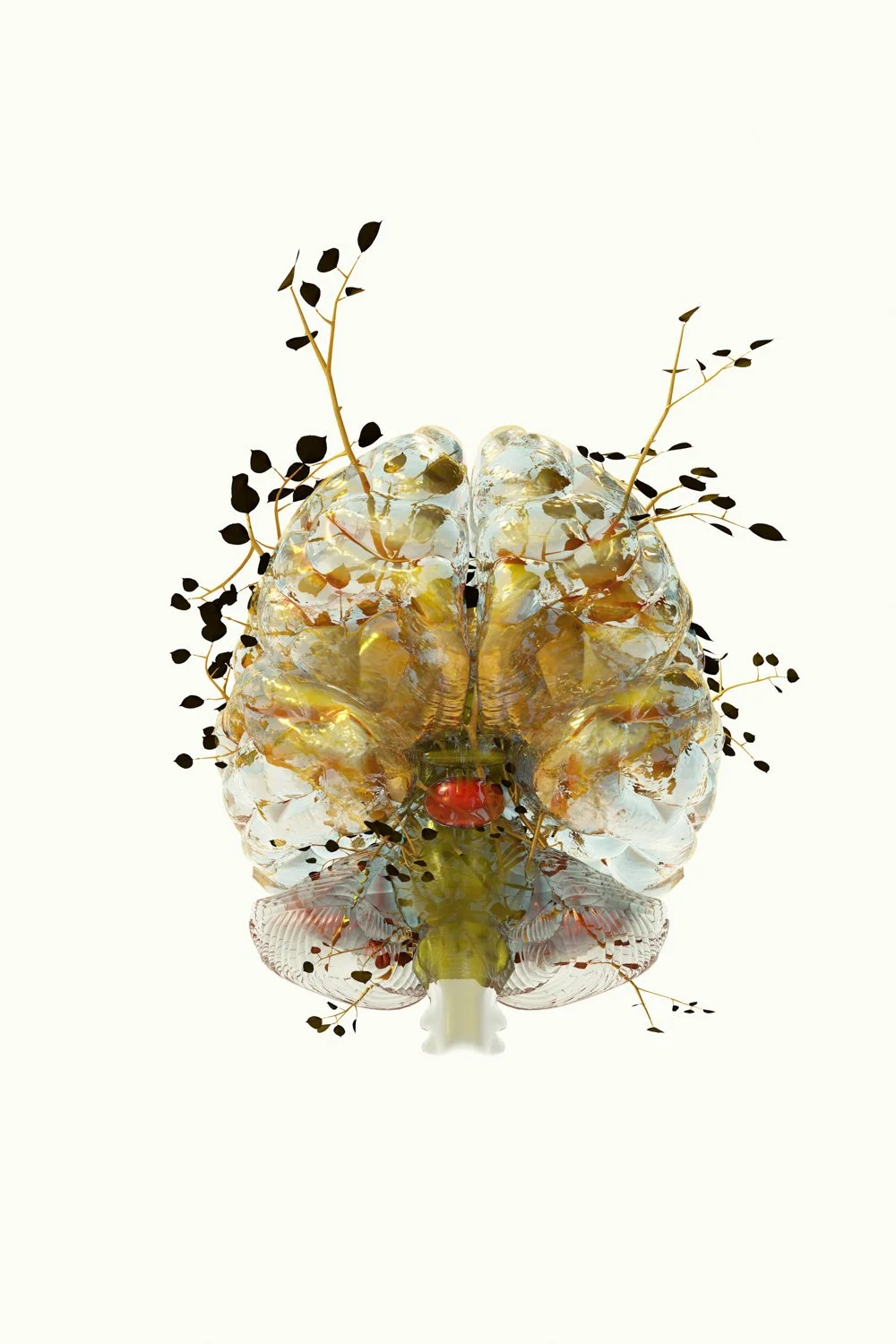
In busy New York hospitals, where patients and staff navigate high-stress urban settings daily, curators and decision-makers are increasingly turning to evidence-based approaches to create more supportive spaces. One area gaining attention is the role of visual art in promoting calm and connection—particularly pieces that blend human anatomy with natural elements, echoing biophilic design principles.
Research continues to show that exposure to nature-themed visuals can help lower stress levels for patients and visitors. Studies have found that viewing nature-inspired art reduces self-reported anxiety, systolic blood pressure, and even perceived pain in healthcare settings. For staff, similar environments contribute to lower emotional exhaustion, a key factor in burnout prevention. In New York City facilities, programs like those at NYC Health + Hospitals and NYU Langone have long incorporated art collections and exhibitions to foster these effects, often prioritizing works that evoke restoration and positive distraction.
A recent example comes from the Phytobiosomes series. Installed in 2025 at Henri Dunant Hospital Center in Athens, the exhibition featured prints and digital works merging botanical forms with human organs—such as lungs intertwined with foliage or hearts rooted in natural growth patterns. The pieces were chosen specifically for their potential to highlight the body’s innate healing connections to nature, transforming clinical corridors and waiting areas into quieter, more contemplative zones. Feedback from the venue emphasized how the art bridged science, humanity, and the environment, offering viewers a subtle reminder of resilience amid medical challenges.
For New York curators assessing options for lobbies, patient rooms, or staff lounges, this type of science-meets-nature imagery aligns well with ongoing trends in healthcare art programs. It provides a non-intrusive way to introduce biophilic elements indoors, especially in spaces with limited access to outdoor views. When selecting works, factors like scale, lighting, and placement can maximize impact—larger installations for communal areas, smaller prints for private rooms.
What aspects of hospital art selection are you focusing on next—patient feedback, staff wellness, or budget-friendly installations?