Art In Healthcare: How Evidence‑Based Design Supports Patient And Staff Wellness
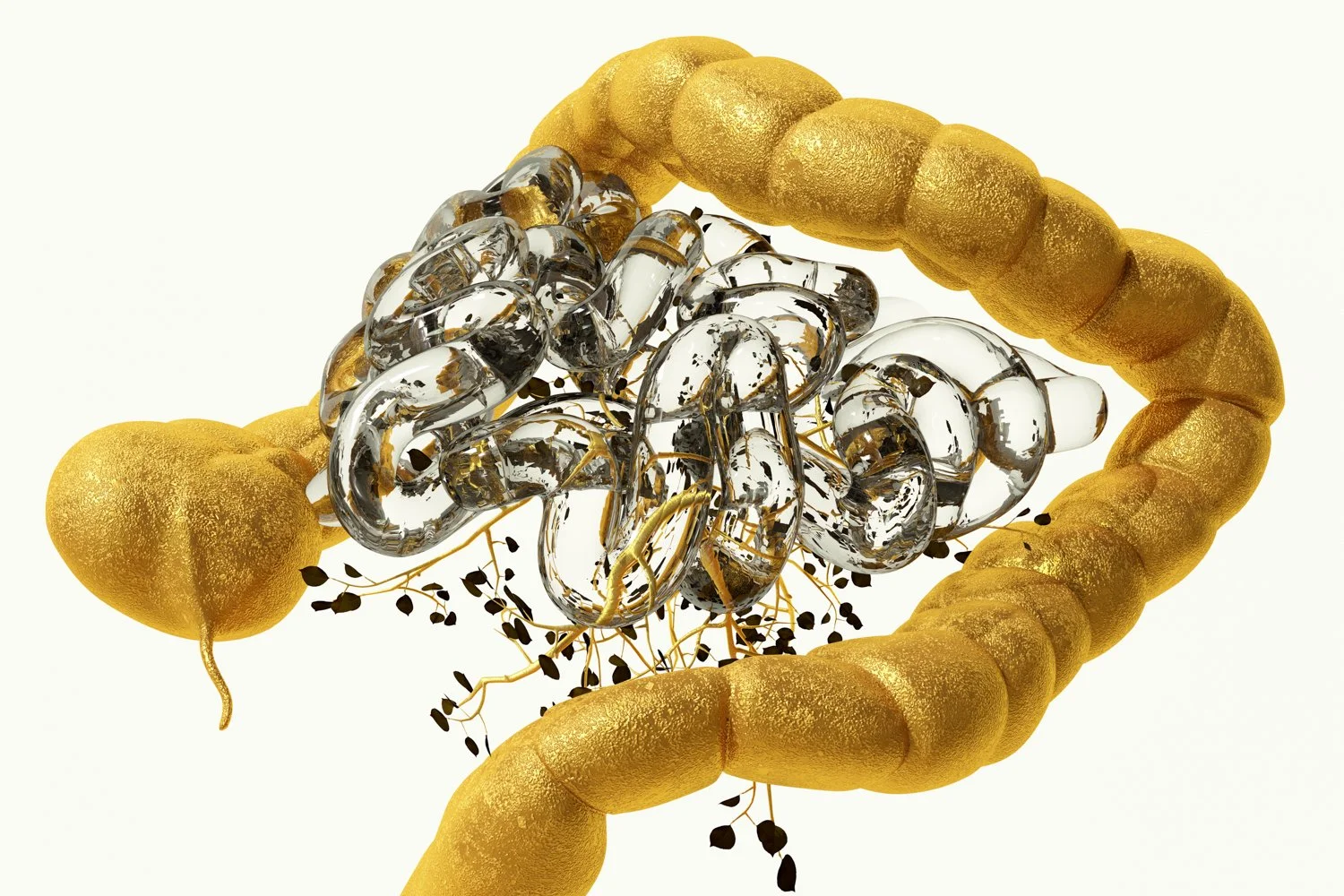
Art in healthcare settings is increasingly supported by rigorous research as a practical tool to improve mental health, overall wellness, and workplace climate for both patients and staff. Visual and environmental art programs are now seen as part of evidence-based design rather than “nice-to-have” decoration.
Why Art Belongs In Healthcare
Studies in hospitals and clinics show that integrating visual art into care environments can:
Reduce patient anxiety, stress, and perceived pain.
Improve mood, sense of safety, and overall experience for patients, visitors, and staff.
Support staff wellbeing, including lower burnout and better job satisfaction.
These findings align with broader “healing environment” and biophilic design research, which shows that nature-inspired imagery and thoughtfully designed spaces promote calm and recovery.
Evidence For Patient Mental Health And Recovery
A 2025 scoping review of visual artwork in hospitals found that art installations reduced heart rate, improved self-reported mental health, increased well‑being, and provided positive distraction for patients. Patients also described artwork as helping them cope with uncertainty, boredom, and fear during treatment or hospitalization.
Additional reviews and clinical reports show that arts in healthcare can:
Decrease anxiety and depression in specific patient groups, including cancer and mental health populations.
Improve perceived pain, sleep, and comfort, especially when art is integrated in waiting areas, corridors, and procedure rooms.
Enhance satisfaction with care and contribute to a more “humanized” experience of the hospital.
Active art therapy adds another layer: a 2024 systematic review of active visual art therapy reported measurable improvements in mental health outcomes (depression, anxiety, self‑esteem, social adjustment) compared with control conditions. Together, receptive art viewing (looking at art) and active engagement (making art) form a spectrum of interventions that can be tailored to different clinical needs.
Benefits For Staff Wellbeing And Organizational Health
Health systems are increasingly interested in art programs not only for patients but as a strategy to support staff facing chronic stress and burnout. A 2025 randomized controlled trial of group art therapy for hospital-based clinicians found that six sessions significantly reduced emotional exhaustion, stress, anxiety, and depression, with benefits maintained at three‑month follow‑up.
Scoping reviews of arts in healthcare report that staff perceive arts initiatives as:
Reducing workplace stress and improving mood.
Improving job performance and communication with patients.
Enhancing the working environment, sense of belonging, and team cohesion.
Environmental design research similarly links artwork and nature imagery with higher staff morale, lower aggression in high‑stress units, and more positive perceptions of the workplace overall. In organizational terms, these effects can support retention, lower absenteeism, and contribute to safer, more compassionate care cultures.
Art, Environment, And Holistic Wellness
The broader field of healing environments emphasizes that architecture, light, sound, and visual art function together as “non‑pharmacological” elements that influence stress and recovery. Reviews of hundreds of design and environmental studies show that
Positive visual distractions, especially nature‑based images, reduce physiological stress indicators and support faster recovery.
Carefully chosen artwork can make spaces feel less institutional, enhance wayfinding, and restore a sense of control for people navigating complex facilities.
Integrating art with biophilic elements (plants, natural forms, organic patterns) can reduce fatigue, sadness, and chronic pain, and improve depressive symptoms.
In practice, this means that art strategy in healthcare is most effective when it is integrated into overall environmental design: coordinated palettes, thematically coherent works across departments, and attention to where patients and staff actually spend time (waiting rooms, reception, corridors, staff lounges, treatment areas).
Phytobiosomes: Scientifically Inspired Art For Healthcare Wellness
For healthcare organizations, artworks like Phytobiosomes can be integrated into broader wellness strategies by:
Positioning pieces in high‑traffic, high‑anxiety zones (admissions, diagnostic waiting areas, corridors to operating or oncology units) where calming visual narratives are most needed.
Developing curated “paths” of related works that accompany patient and staff journeys through the building, reinforcing continuity, meaning, and a sense of care at each stage.
Using the scientific and botanical references as starting points for education and dialogue around prevention, resilience, and whole‑person care.
By aligning an art program with the growing scientific literature on arts in healthcare, facilities can move beyond decorative use of images toward deliberate, measurable contributions to mental health, staff wellbeing, and overall wellness—an approach that projects like Phytobiosomes are specifically designed to support.